SEND Advice

Anxiety

If you’ve been feeling stressed, nervous or overwhelmed , you’re not alone.
This space is all about helping you understand anxiety with SEND in a clear way.

What is Anxiety?

Anxiety is a natural reaction your brain has to things that feel stressful or scary. It’s part of your body’s way of keeping you safe, and it’s often known as the “Fight, Flight or Freeze” response.

But sometimes, your brain can see danger where there isn’t any, and that’s when anxiety can start to take over.

Everyone feels anxious sometimes. But for young people with SEND, anxiety can feel more intense or happen more often.

Why does anxiety happen?

Anxiety can be triggered by loads of things. Some of the most common ones are:

Check out our Anxiety articles

ways to support yourself at christmas time
Christmas anxiety can be an all too overwhelming feeling for those with SEND. Here are some tips to help you
Find out more about being a young carer and some helpful resources.
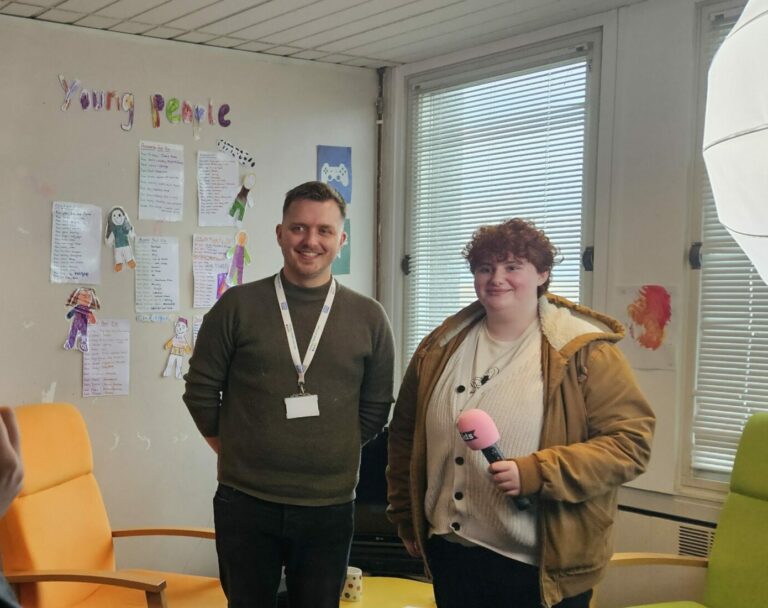
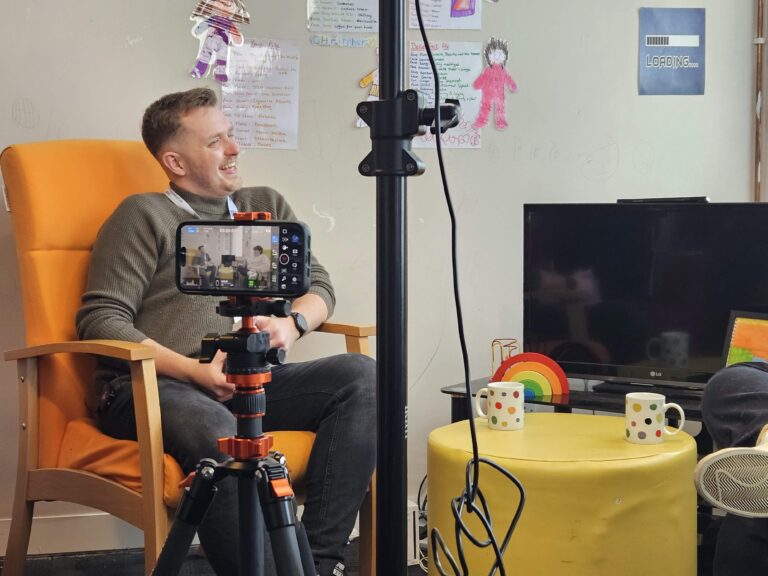
Young person, Charlie, talks to an NHS specialist about the link between anxiety and SEND.
living with anxiety - a film by Kids
When you have SEND and anxiety, you can feel very stressed and alone. In this film, Charlie shares his tips
James anxiety questions
James, an NHS specialist in Learning Disability and Autism, answers your questions about anxiety.
Lucy shares about her hidden disability
Lucy has additional hearing needs and shares about life with cochlear implants. She talks about being in our 'Hidden Disabilities'

Anxiety and You

Anxiety isn’t the same for everyone. You might notice:

  • A racing heart or feeling shaky
  • Trouble sleeping or concentrating
  • Feeling sick or dizzy
  • Avoiding people, places or situations
  • Thinking something bad is going to happen (even if you’re not sure why)
  • Getting angry or upset easily

If you’re noticing these things a lot, then it’s a good time to reach out and get support. Anxiety is real and valid and help can be given.

Struggling with anxiety?

If anxiety is getting in the way of your life, it’s okay to ask for help. In fact, it’s the most sensible, brave, helpful thing to do. 

That might mean:

  1. Talking to a GP or mental health professional
  2. Talking to your family and friends to let them know how you’re feeling and that you need support.
  3. Getting a support plan in place.
  4. Joining an online or local group where others share their experiences.

There’s never any shame in asking for help. It doesn’t mean you’re weak – it means you’re taking the care of yourself.

Learn more on the Kids website

The Kids website has a selection of articles, workshops and more to help you, parent and carers navigate anxiety and mental health.

  • Articles about autism, ADHD, and SEND in education
  • Workshops and online support for parents and carers to attend